Industries We Serve
Dixon Automatic Tool is in the business of serving customers across varying production-driven sectors, including automotive and transportation, electronics and consumer goods, appliances and building products, and general manufacturing and assembly. We bring to the market some of the highest quality automated assembly products and services available.
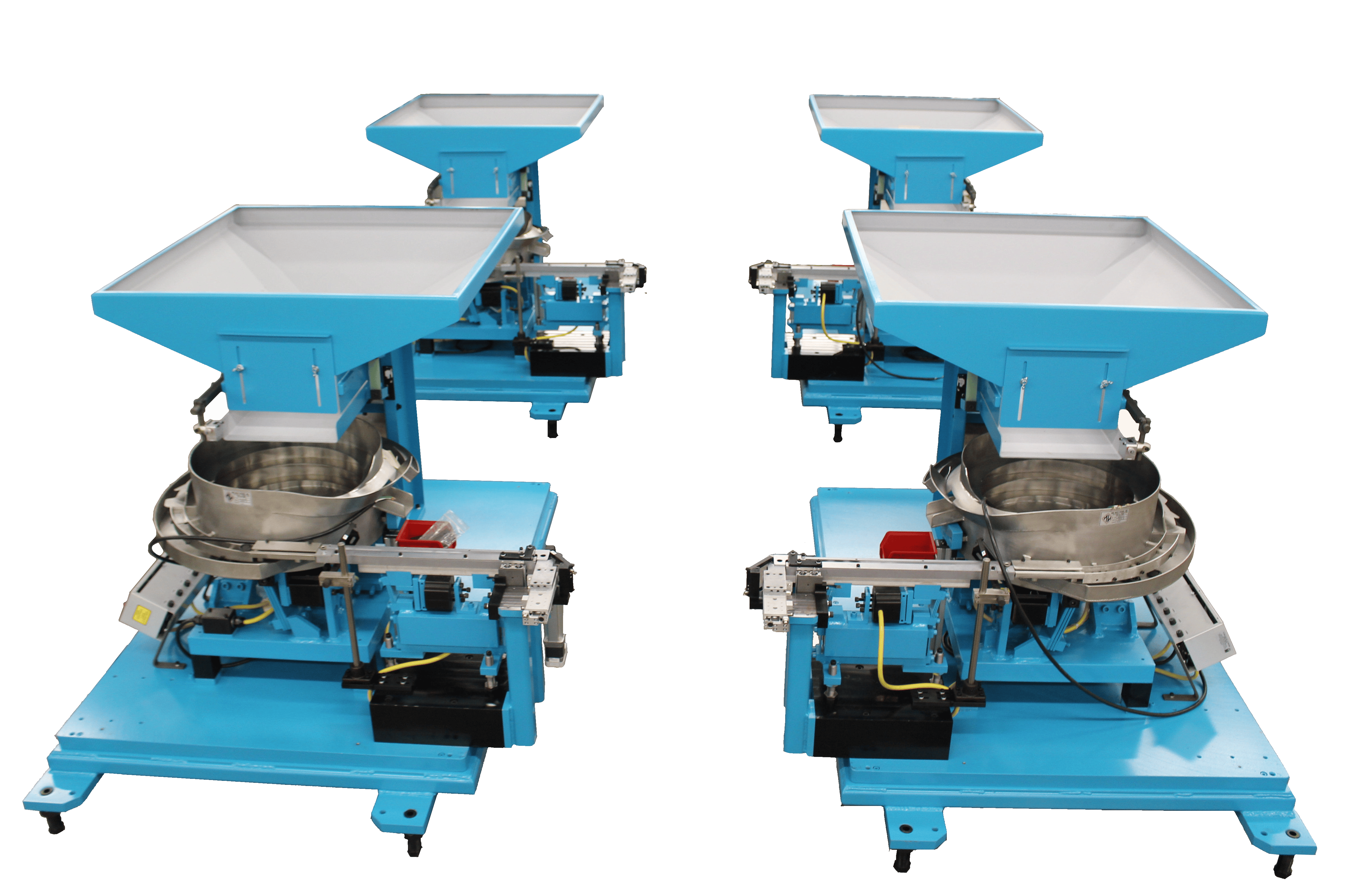
Automotive & Transportation
Dixon systems are utilized to drive a plethora of automotive manufacturing processes, from sub-assembly and fastening of chassis and body panels to interior and electronic module installation. Among these systems are automatic screwdrivers, nut runners, part placers, feed systems, and robotic end effectors.
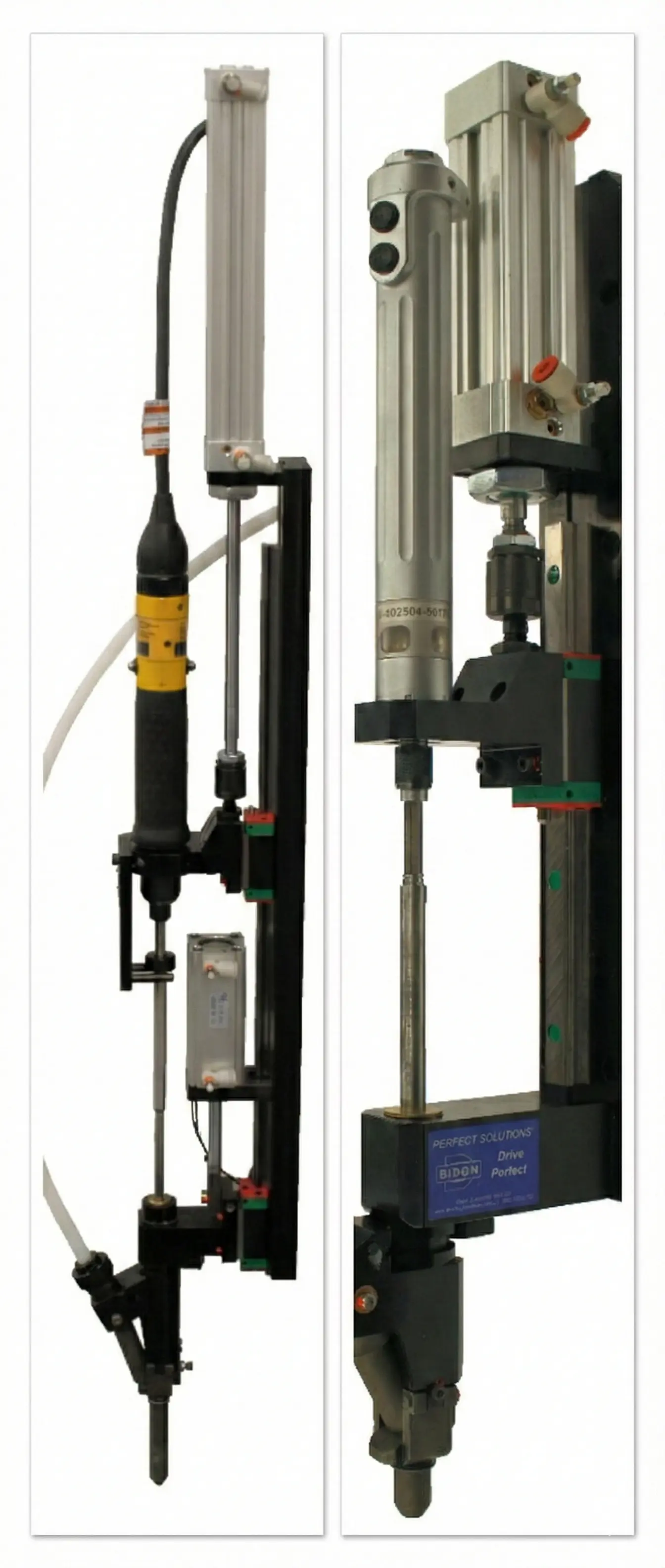
Electronics & Consumer Goods
For manufacturers of electronics and consumer goods, speed and throughput must coexist with cautious handling of delicate plastics and tiny components. Dixon systems account for that balance through automated tools such as automatic screwdrivers, part placers, feed systems, and more, yielding repeatable placement and fastening across high-cycle rates.
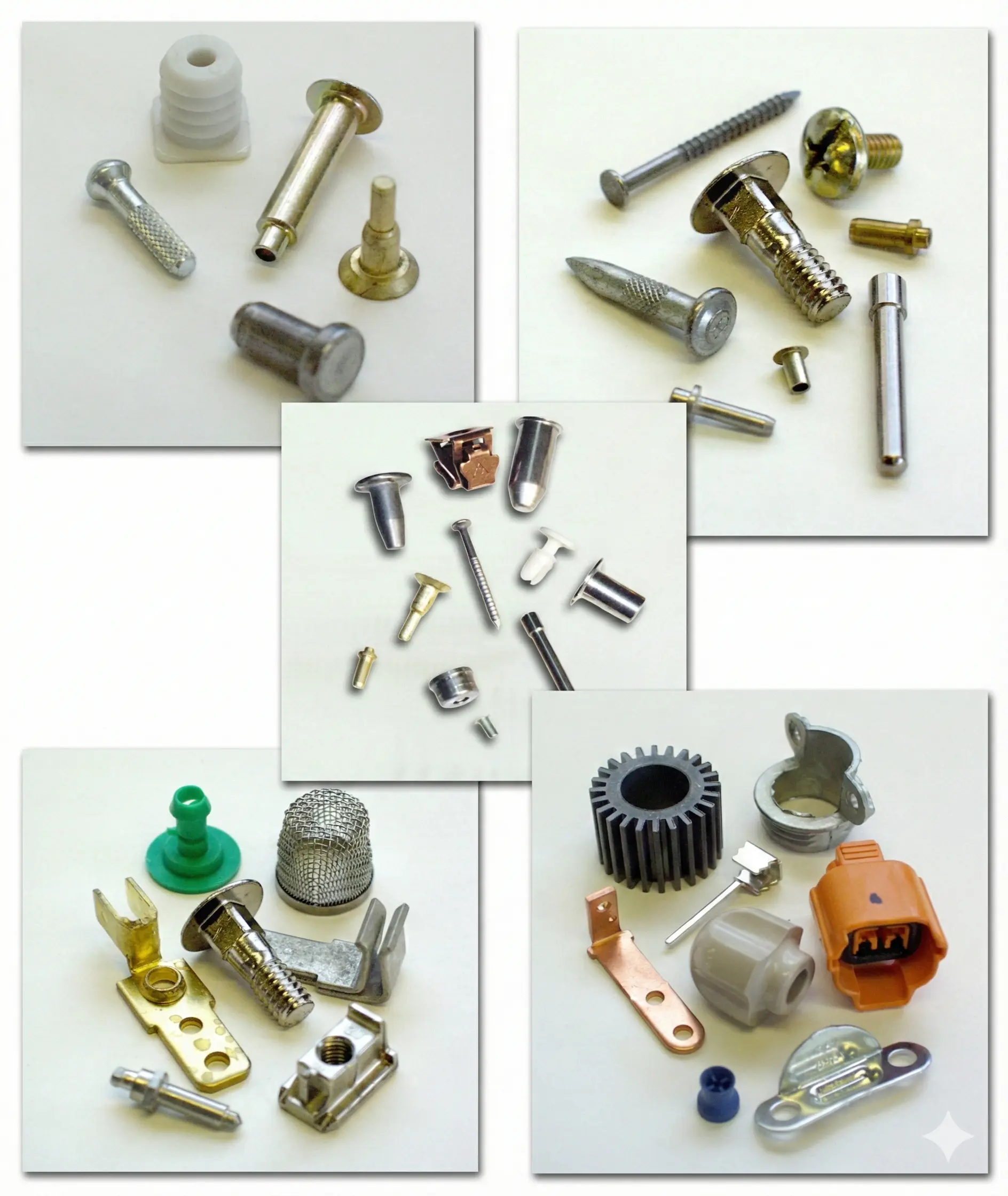
Appliances & Building Products
Appliance and building product assembly works with sheet-metal panels, cast frames, and load-bearing fasteners exposed to vibration, heat, and long service cycles. Our systems support these operations with automatic screwdrivers, nut runners, part placers, and more, applied where fastening and placement carry load as assemblies move station-to-station.
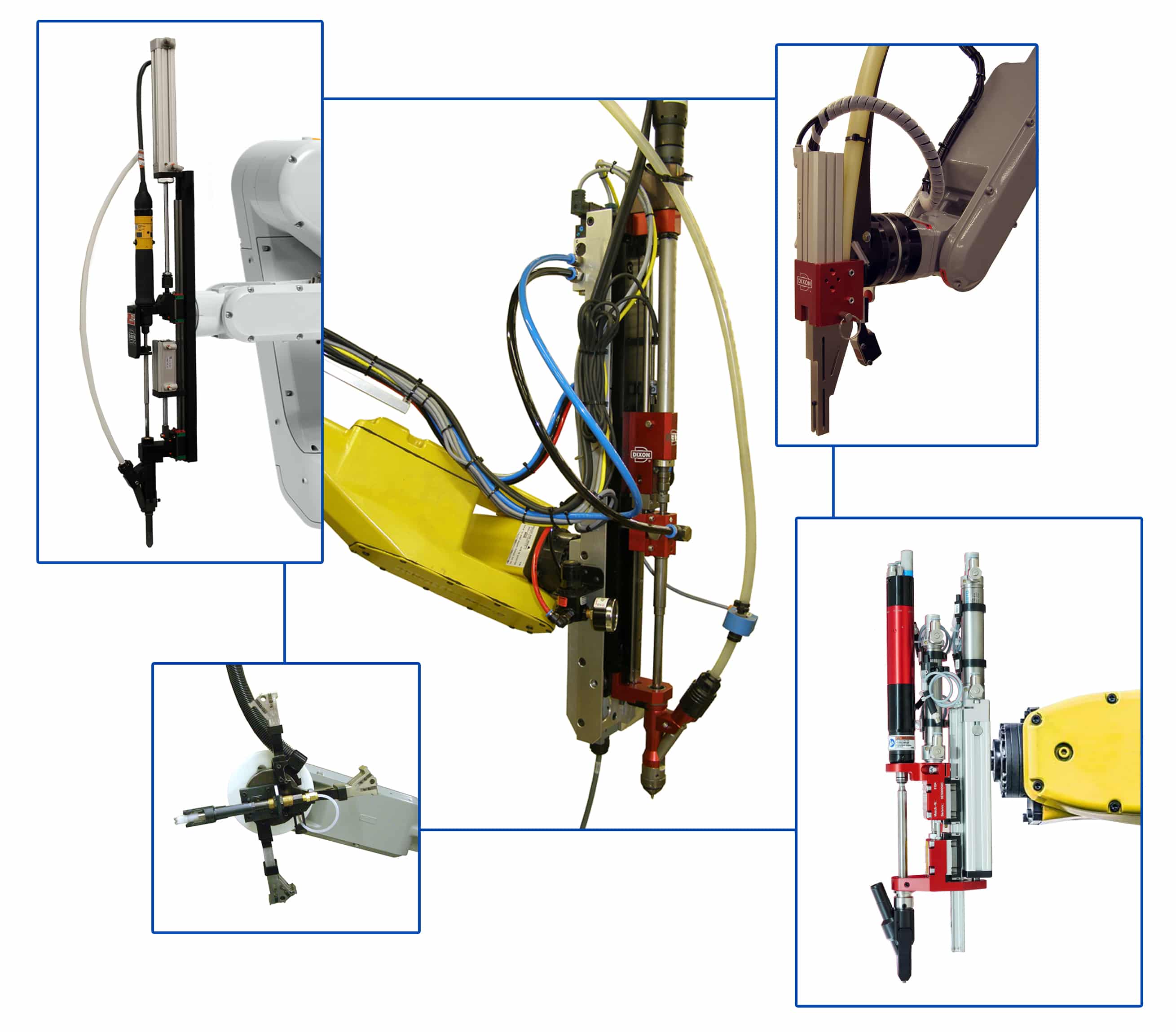
General Manufacturing & Assembly
General manufacturing and assembly environments span mechanical and electrical sub-assemblies, panel, housing, and frame fastening, and end-of-line operations found across many production floors. Dixon systems sit in these lines driving screws, placing components, and feeding hardware as the work repeats from one unit to the next.
For Steady and Reliable Output
Our automatic systems, whether screwdriving, fastening, or feeding, stay on track under the heaviest of production demands. Alignment stays true through long cycles, and consistency holds from the first part to the thousandth. Dixon equipment anchors production so motion stays clean and work stays on pace.
Talk with our engineers to plan a system that fits your particular automotive line.
Frequently Asked Questions
What industries does Dixon Automatic Tool serve?
Dixon Automatic Tool is a provider of production-centered automated assembly solutions for several high-volume industries including automotive and transportation, electronics and consumer goods, appliances and building products, and general manufacturing and assembly.
How does Dixon support the automotive and transportation industry?
Dixon powers the automotive and transportation industry with automation solutions for sub-assembly line, chassis and body panel assembly fastening, interior installation, and electronic module assembly applications. Among these solutions are automatic screwdrivers, nut runners, part placers, feed systems, and robotic end effectors which support high-volume automotive manufacturing lines.
What types of assembly automation are used in automotive manufacturing?
Automated fastening systems such as automatic screwdrivers and nut runners, along with part placement systems and robotic end effectors are prevalent in automotive manufacturing applications. These systems ensure torque remains controlled, joints are secure, and component placement does not vary from one production cycle to the next.
How does Dixon help electronics and consumer goods manufacturers?
Electronics and consumer goods manufacturing entails both high line speeds and delicate handling. Dixon systems drive fasteners and place small components in sensitive plastic housings under controlled torque and alignment. Our automated screwdriving and feed systems support demanding cycle counts, limiting damage risk and stabilizing assembly consistency across production.
What challenges does automation solve in electronics assembly?
Electronics assembly is constrained by factors that automation is used to solve, including:
- Handling of small or fragile components
- Torque regulation in plastic housings
- Accuracy control at increased line speeds
- Operator fatigue and associated error
How are Dixon systems used in appliance manufacturing?
Appliance production involves sheet-metal panels, cast frames, and structural components subjected to vibration and thermal cycling. Dixon systems fasten and position these components as assemblies advance through each station. Automatic screwdrivers, nut runners, and part placement systems apply controlled torque to produce repeatable fastening along the production line.
What role does automation play in building product assembly?
Building product assembly entails load-bearing fasteners and structural materials such as metal panels and frames, where joint performance is sensitive to torque variation. Automated fastening systems reduce that variation in high-volume production.
Where are Dixon automation systems used in general manufacturing and assembly?
Dixon’s automation product line supports the following functions in general manufacturing and assembly:
- Mechanical and electrical sub-assemblies
- Panel, housing, and frame fastening
- End-of-line assembly operations
- Hardware feeding and placement
Why is automated assembly important in high-volume manufacturing?
Automated assembly is central to high-volume manufacturing on account of:
- Consistency and repeatability
- Production speed and output
- Torque accuracy and fastening quality
- Labor efficiency
- General product dependability
Automation narrows variability and helps certify quality across thousands, or even millions, of units.
What types of automated assembly equipment does Dixon offer across industries?
Across all of the industries we serve, our selection of automation solutions includes: